RESTAURANTS · SOUTH FLORIDA
Keep the kitchen open on inspection day
Class K extinguishers, hood suppression service and staff training on your schedule, before you open or after you close, with reports ready for the fire marshal.
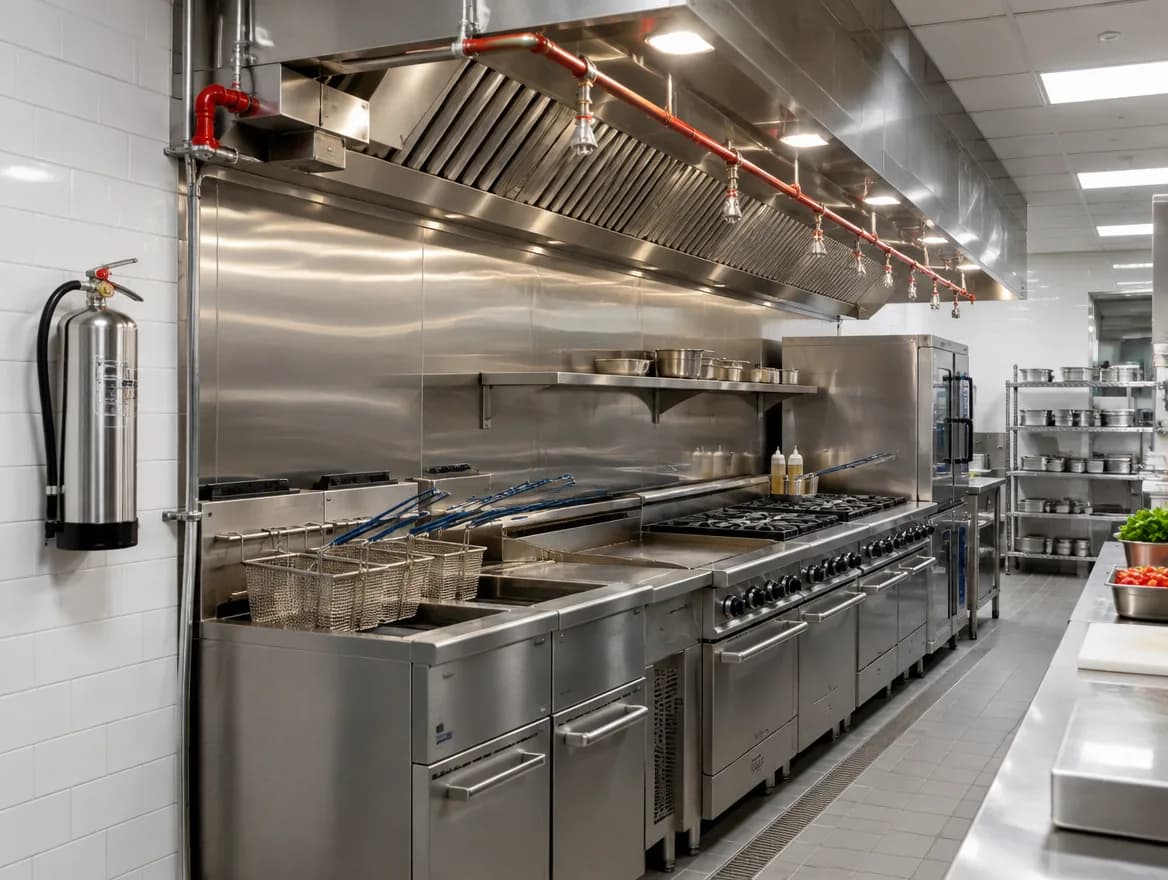
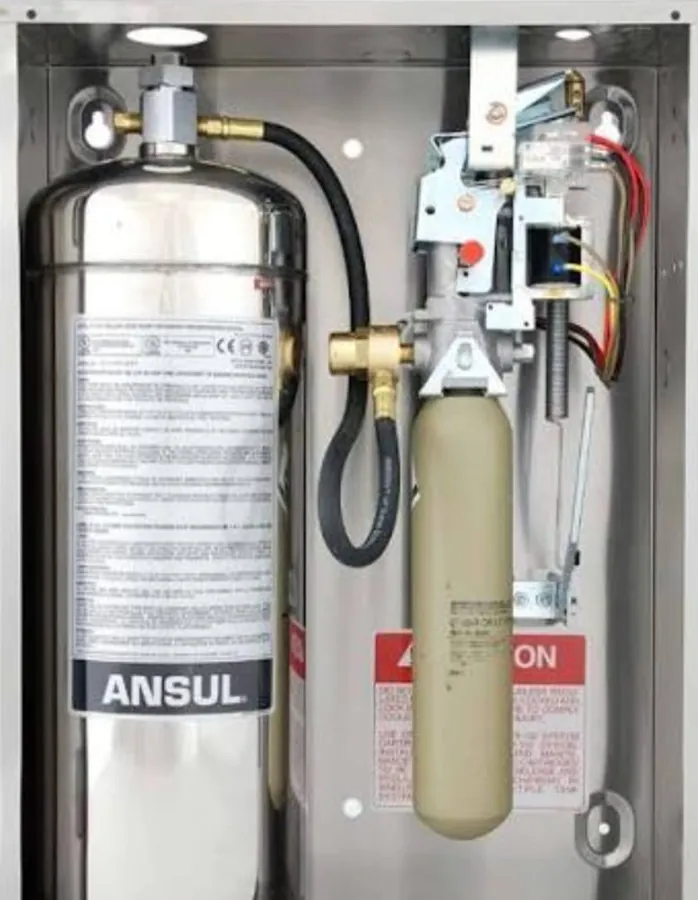
- HOOD SYSTEM SERVICE
- 6 MOHOOD SYSTEM SERVICE
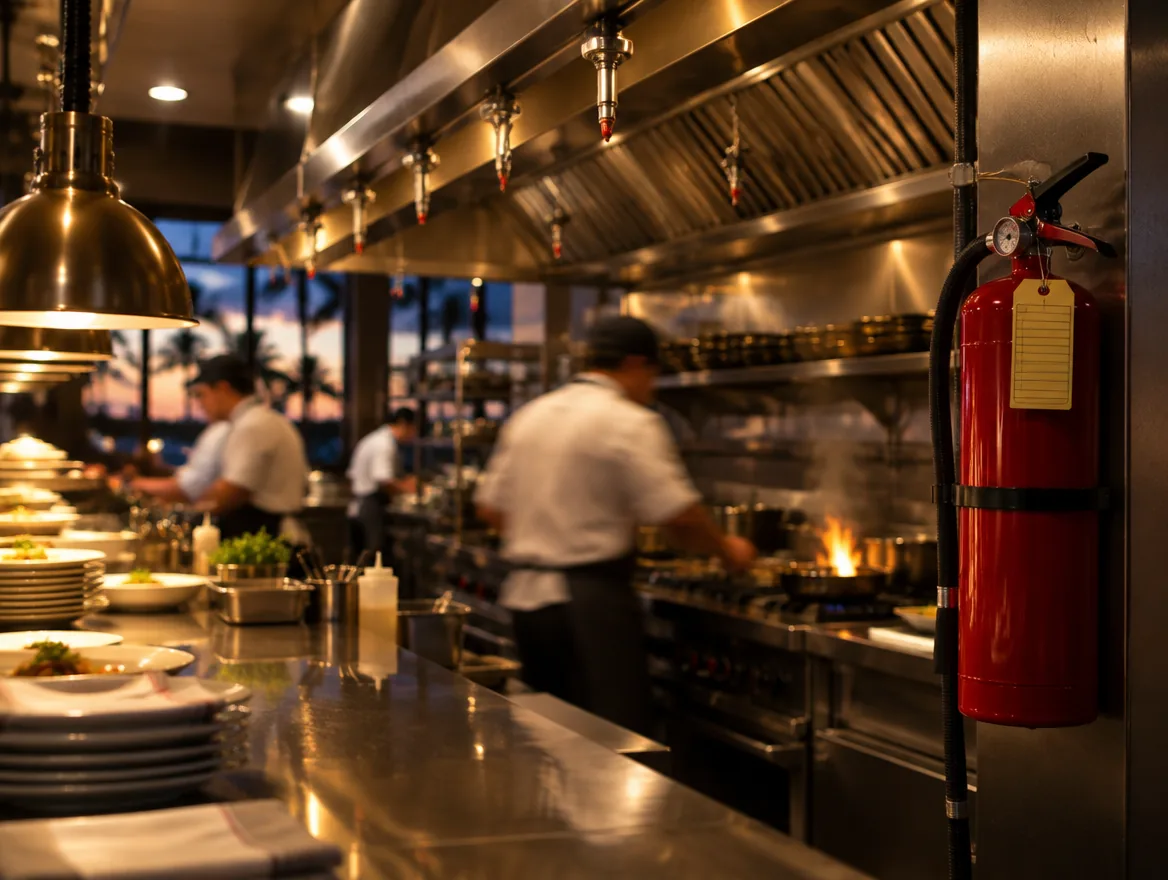
- CLASS K TO THE LINE
- 30 FTCLASS K TO THE LINE
¿Habla español? Llámenos al (786) 657-6107.
THE SHORT ANSWER
What fire protection does a restaurant kitchen need in Florida?
A commercial kitchen needs ABC extinguishers for the dining room and back of house, a Class K extinguisher within 30 feet of fryers and other grease cooking, and a hood with a wet chemical suppression system serviced by a licensed company every six months. Extinguishers are serviced and tagged once a year and checked by your staff every month.
Rules vary by city and building, and your local fire marshal has the final say. We'll tell you what your inspector will look for.
THE PROBLEM
Why restaurants get written up
Fire inspections land in the middle of a lunch rush, and a kitchen fire can close you for months. Most violations come down to the same few things.
- 01
A missed six-month service
Hood suppression systems need a licensed technician every six months. Miss one and the tag on your system tells the inspector before you do.
- 02
No Class K at the fryer
Grease fires need Class K. It has to be within 30 feet of the cooking line, mounted where a cook can grab it without reaching across the fire.
- 03
A crew that's never been shown
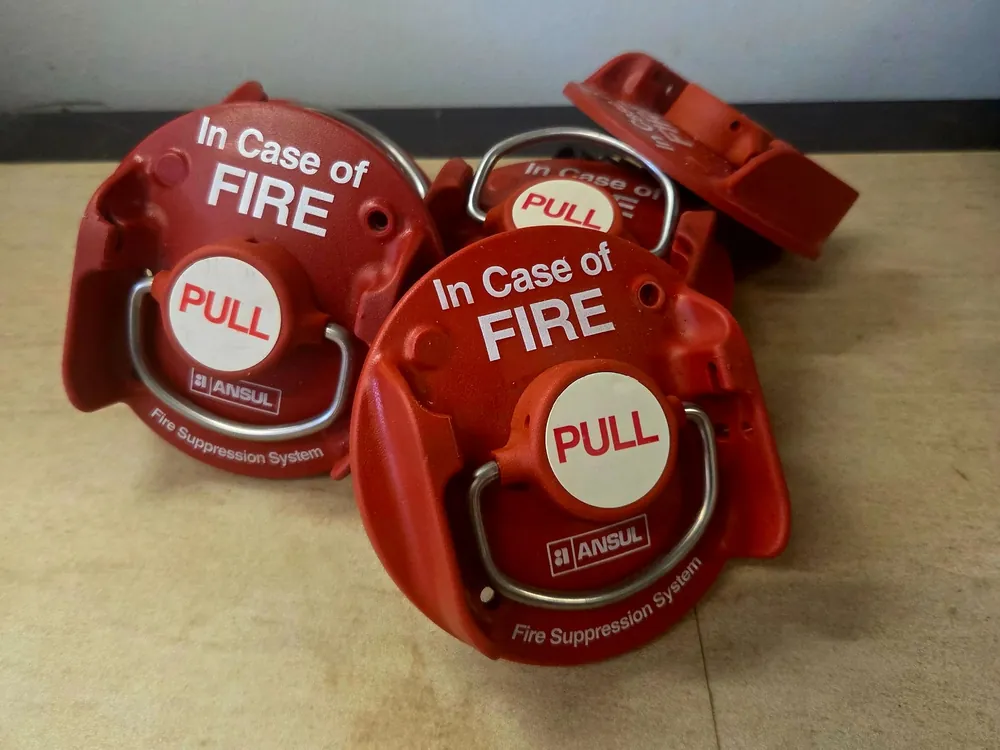
In a fire your cooks have seconds. They need to know to pull the manual station first, then use the Class K, and never throw water on grease.
- 04
Grease in the hood
Inspectors check that the hood, filters and duct are cleaned on schedule. Grease buildup is the fuel that carries a fire into the ductwork.
THE SOLUTION
Service that works around your kitchen
- 01
Scheduled around service
We come before you open or after you close, so the line never stops for us.
- 02
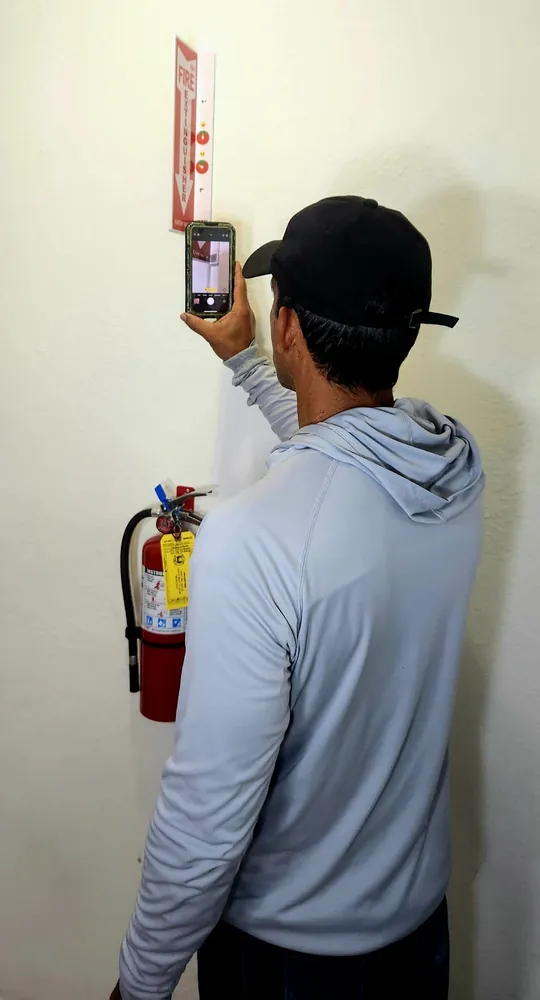
Extinguishers checked and tagged
ABC units in the dining room and back of house, Class K at the line, mounted where inspectors expect them and tagged for the year.
- 03
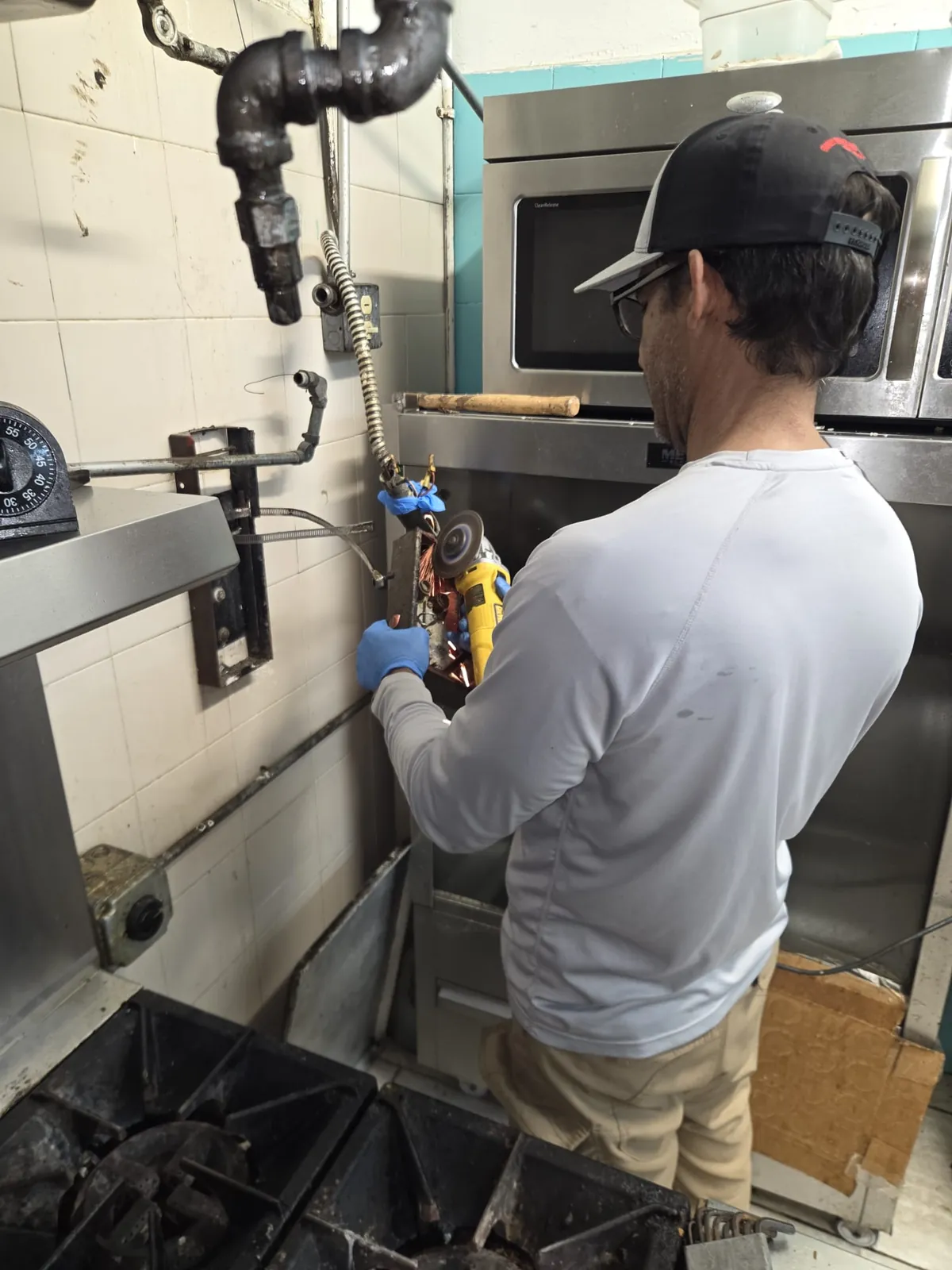
Hood system every 6 months
Nozzles, fusible links, pull station, gas shut-off and cylinder tested and logged.
- 04
Training and reports
Hands-on extinguisher training for your crew, service reports ready for the fire marshal, and reminders before anything comes due.
CHECKLIST
Restaurant kitchen fire safety checklist
What fire inspectors typically check in a commercial kitchen, and how often each item needs service.
QUESTIONS
Restaurant owners ask us
How often does a restaurant hood suppression system need inspection?
Every six months, by a licensed fire protection company. The technician tests the system, replaces the fusible links and leaves a tag and a report. After any discharge the system has to be recharged and reset before you cook again.
Where does the Class K extinguisher go?
Within 30 feet of the appliances that cook with oil or grease, mounted where a cook can reach it without reaching over the fire. Large lines with several fryers may need more than one; your inspector decides.
How often should the kitchen hood be cleaned?
NFPA 96 sets it by cooking volume: monthly for solid-fuel cooking, quarterly for high-volume kitchens (24-hour, charbroiling, wok), every six months for moderate volume, and yearly for low volume. We check the cleaning tag at every visit and tell you if it's out of date.
Can you service my restaurant without closing?
Yes. We schedule before you open or after you close. Extinguisher service takes minutes per unit, and a hood system inspection is usually done in one visit.
Do you train kitchen staff?
Yes. We run hands-on sessions at your restaurant: when to pull the station, how to use the Class K, and how to use an ABC extinguisher. Sessions are available in Spanish.
What if my suppression system goes off during service?
Shut off the gas, get everyone out and call 911 if there's still fire. Then call us: we offer 24/7 emergency service to clean, recharge and reset the system so you can reopen.