FOOD TRUCKS · MIAMI-DADE TO THE KEYS
Fire safety that keeps your truck rolling
Extinguishers, hood suppression service and the paperwork inspectors ask for, done at your commissary so you pass inspection and never miss an event.
- HOOD SYSTEM SERVICE
- 6 MOHOOD SYSTEM SERVICE
- FRYER-READY UNITS
- CLASS KFRYER-READY UNITS
¿Habla español? Llámenos al (786) 657-6107.
THE SHORT ANSWER
What fire protection does a food truck need in Miami?
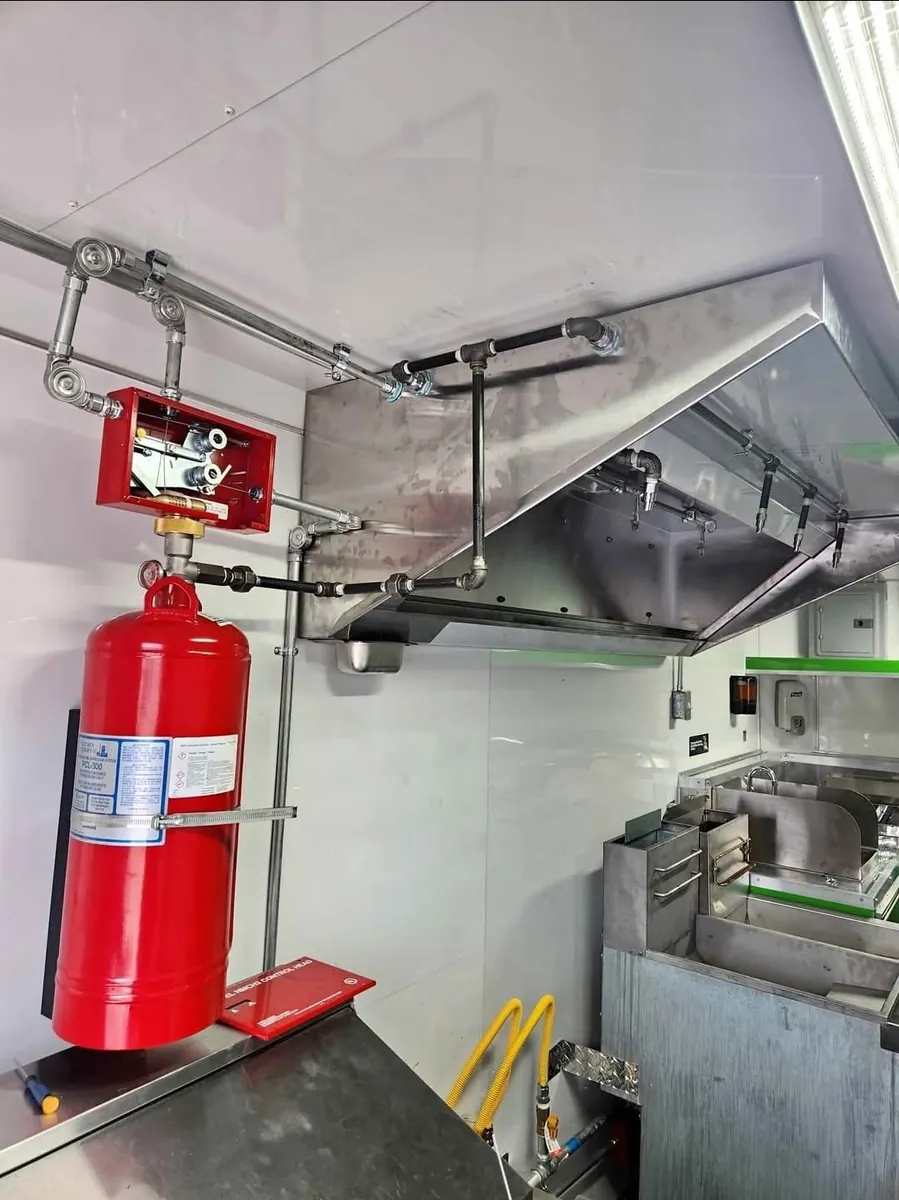
A food truck that cooks needs a tagged ABC extinguisher, a Class K extinguisher if it fries or cooks with oil, and a hood with a wet chemical suppression system serviced by a licensed company every six months. Keep the latest service reports in the truck: fire inspectors and event organizers ask for them before you open.
Rules vary by city and building, and your local fire marshal has the final say. We'll tell you what your inspector will look for.
THE PROBLEM
Why food trucks fail fire inspections
A fryer, a propane tank and a generator share a few feet of space. Inspectors know a grease fire in a truck spreads in seconds, so they check closely, and one lapsed tag can cost you a festival day's sales.
- 01
Expired tags
Your extinguishers run on a yearly service cycle and your hood system on a six-month one. Two calendars, one truck, and a tag that lapsed last week is enough to fail.
- 02
The wrong extinguisher for grease
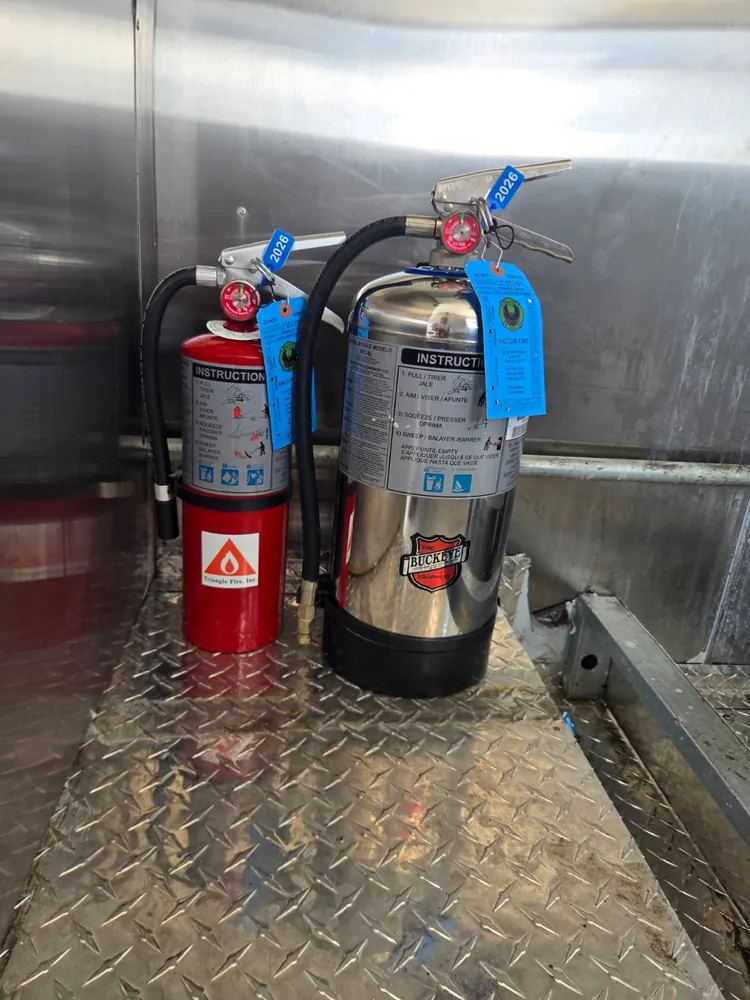
A fryer fire needs a Class K extinguisher. An ABC unit alone usually won't pass where you cook with oil, and water on burning grease makes it explode.
- 03
A suppression system nobody checked
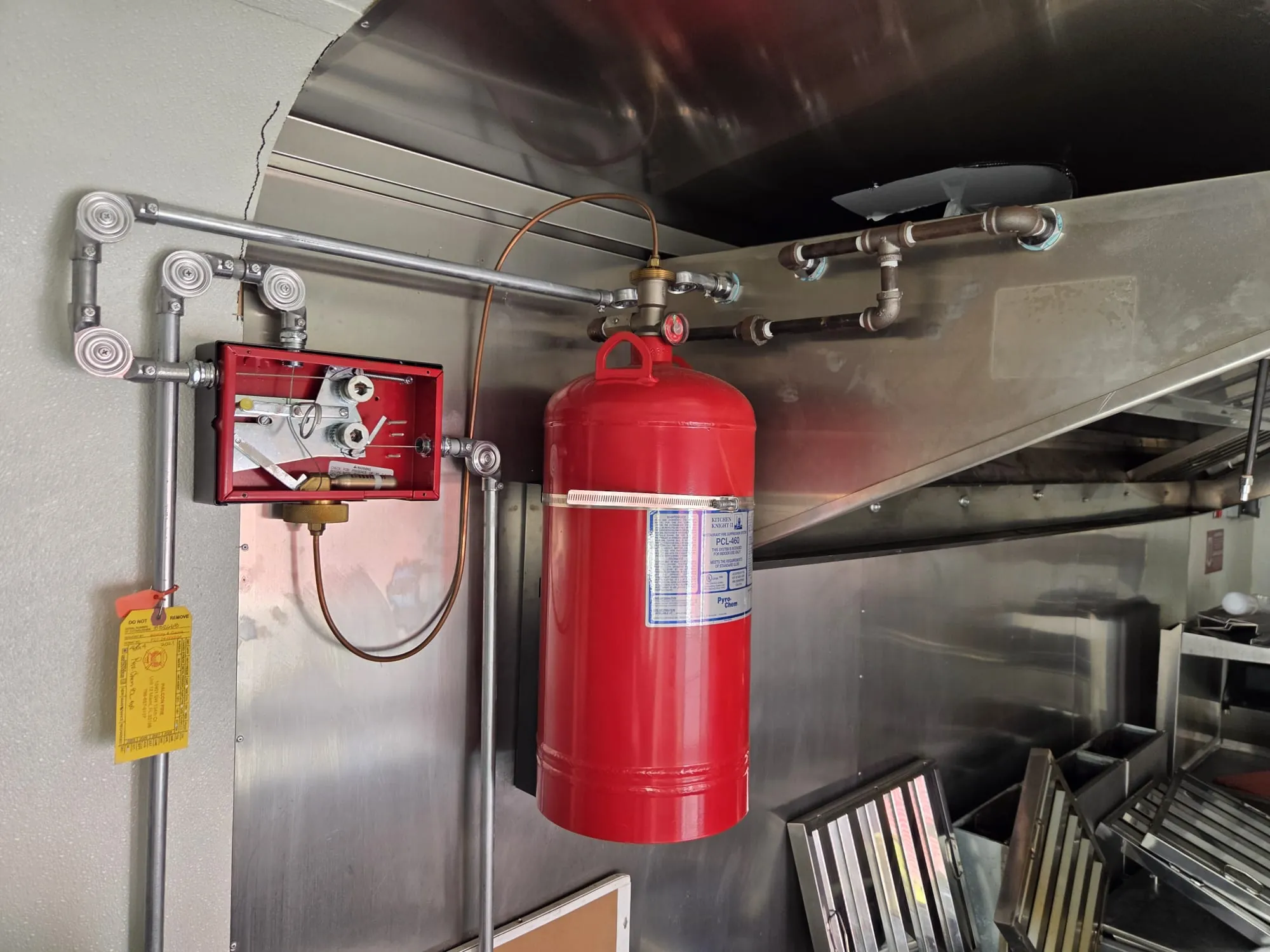
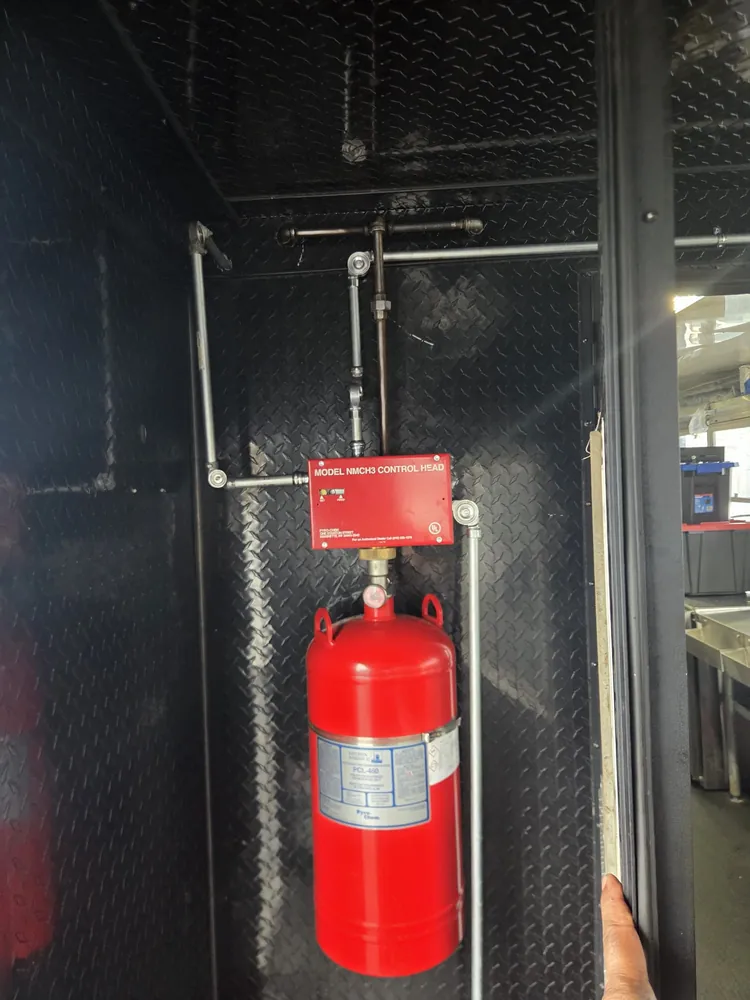
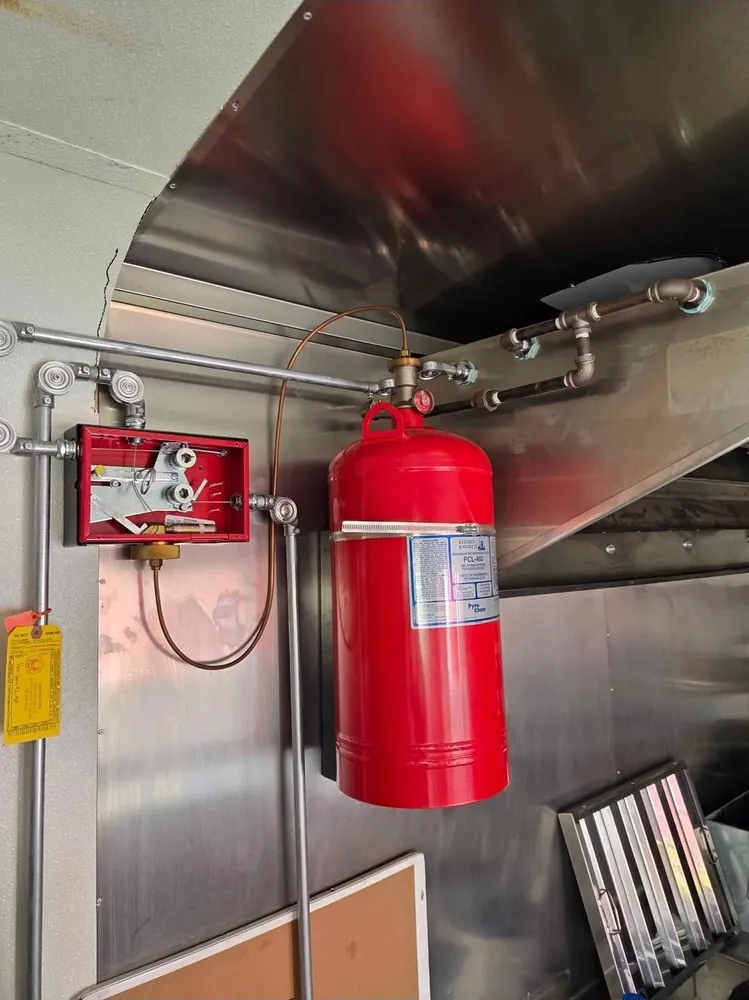
Hood systems need a licensed technician every six months, plus new fusible links and a full recharge after any discharge, before you cook again.
- 04
No paperwork on board
Inspectors and event organizers ask to see current service reports before you set up. If the reports aren't in the truck, you don't open.
THE SOLUTION
One visit keeps your truck inspection-ready
- 01
We come to you
At your commissary, your lot or where the truck parks overnight, from Miami-Dade to the Keys. No towing, no lost service day.
- 02
Extinguishers checked and tagged
We inspect, recharge or replace your ABC and Class K extinguishers, mount them where inspectors expect them and tag them for the year.
- 03
Hood system serviced every 6 months
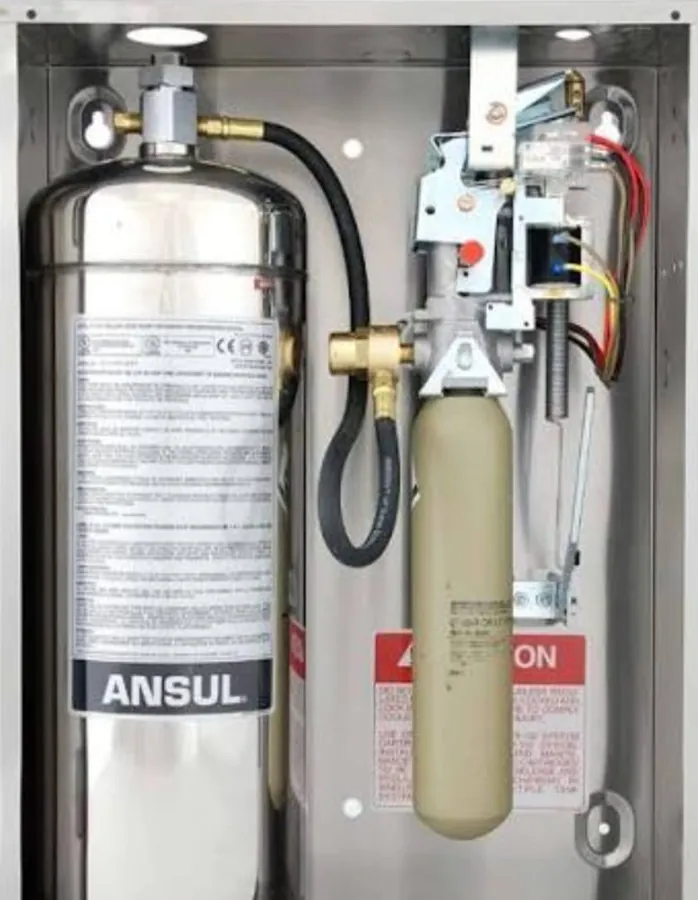
Nozzles, fusible links, pull station, cylinder and gas shut-off tested and logged, so the system fires when it has to.
- 04
Reports and reminders
You get the service reports to keep in the truck and show at inspection, and we remind you before anything comes due.
CHECKLIST
Food truck fire safety checklist
What South Florida fire inspectors typically check on a truck that cooks, and how often each item needs service.
QUESTIONS
Food truck owners ask us
Does my food truck need a Class K extinguisher?
If you fry or cook with oil or grease, yes in practice. Florida fire departments that publish food truck checklists ask for a tagged Class K extinguisher wherever cooking makes grease-laden vapors, in addition to an ABC unit. It should be within 30 feet of the cooking equipment.
How often does a food truck hood suppression system need service?
Every six months, by a licensed fire protection company. The technician tests the system, replaces the fusible links and leaves a tag and a report. Keep the latest reports in the truck, because inspectors and event organizers ask for them.
What happens after my suppression system goes off?
Shut down and call us. The system has to be cleaned, recharged and reset by a licensed technician before you cook again, and the discharged extinguishers recharged. We offer 24/7 emergency service so you lose as few service days as possible.
Can you come to my commissary?
Yes. We service trucks wherever they park, from Miami-Dade and the rest of South Florida down to the Florida Keys: commissaries, lots and home driveways. Call or request a quote and we'll set a time.
I'm building a new truck. Can you help before my inspections?
Yes. Tell us your cooking line and we'll spec the extinguishers you need and quote the hood suppression system, so the truck is ready for its state license inspection and its fire inspection.
Doesn't my state license cover fire safety?
No. Florida licenses food trucks through the DBPR Division of Hotels and Restaurants, and state law limits extra local licensing fees, but fire departments still inspect trucks, especially at events. Requirements vary by city, and your local fire marshal has the final say.